What Women’s History Month Looked Like For Us

Marcella Da Silva Monteiro
31 March 2026
March was a month packed with events that put brilliant women and big ideas front and centre, and it felt worth taking a moment to reflect on what we’ve taken from it.
London Tech Show: where AI meets human reality
London Tech Show is a big mix of technologists, business leaders and innovators, all shaping what enterprise technology looks like next.
This year, I focused on the female-led speaker sessions, and they didn’t disappoint.
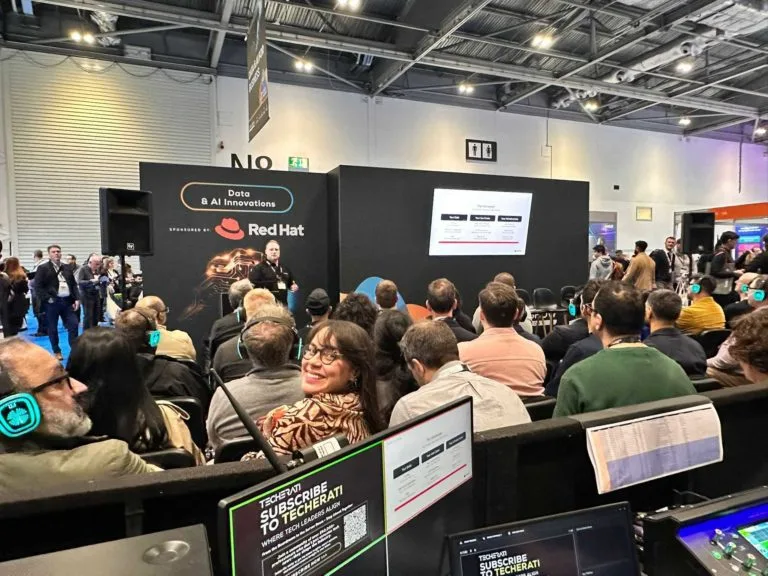
Hannah Fry opened with a question that stuck: has human darkness always been there, or is technology amplifying it? Drawing on her series AI Confidential, she explored how businesses can monetise vulnerability, especially through AI avatars. It wasn’t an optimistic take, but at the core of it all, it reveals how humans still seek deep connection.
Across the wider lineup, a few themes kept surfacing:
- AI as a leveller: it’s accessible and pushing all of us to keep learning
- The skills that matter most aren’t new: adaptability, curiosity, critical thinking and resilience
- AI is shaping roles before they even exist, not just changing them after the fact
In an industry where 50% women leave tech roles by 35, there’s an opportunity to rethink progression, flexibility and inclusion from the outset.
Why the world needs more women in AI
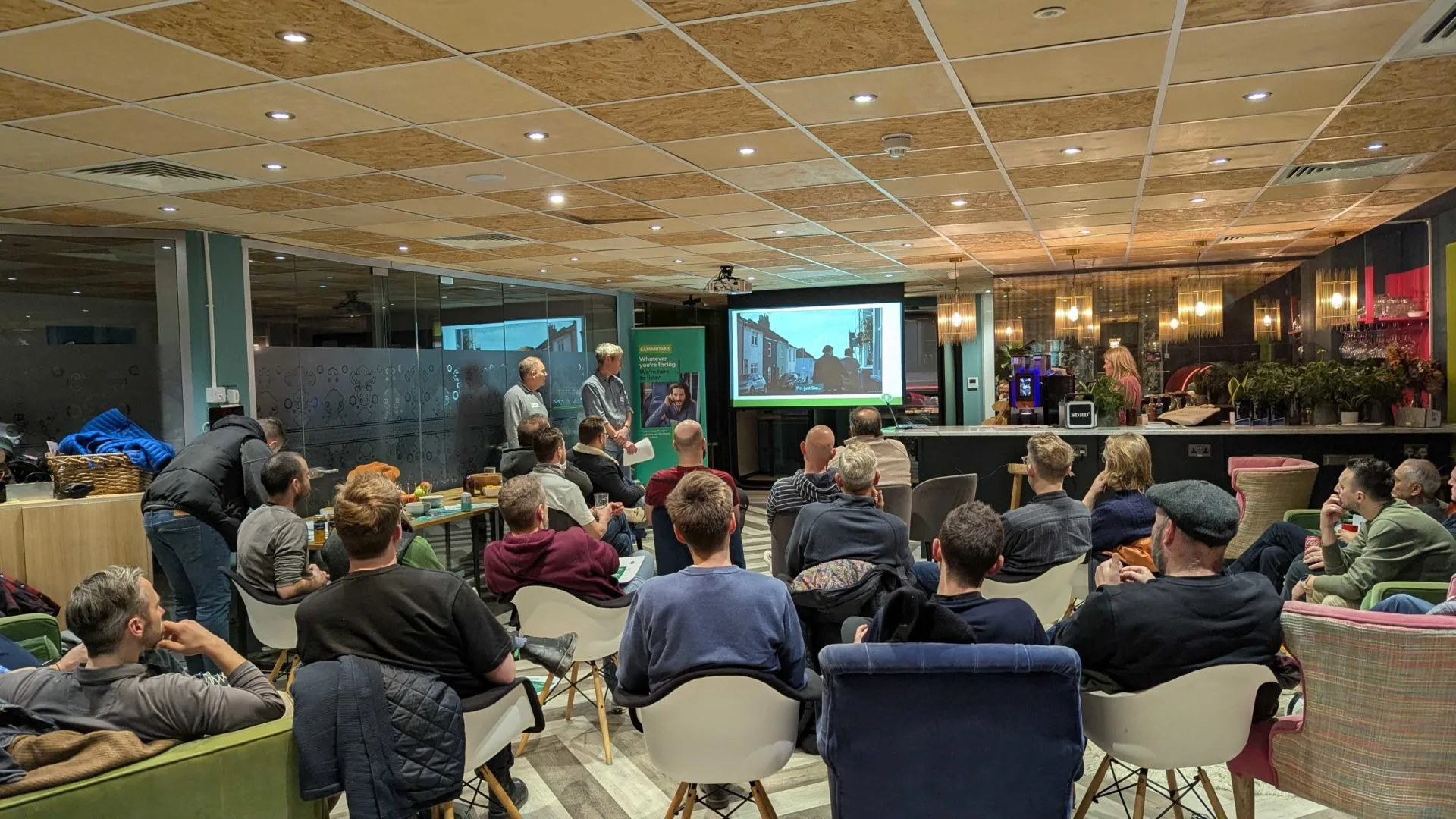
The second event, hosted by Better Day Recruitment in Brighton, brought things closer to home. A smaller, more intimate roundtable, but just as impactful.
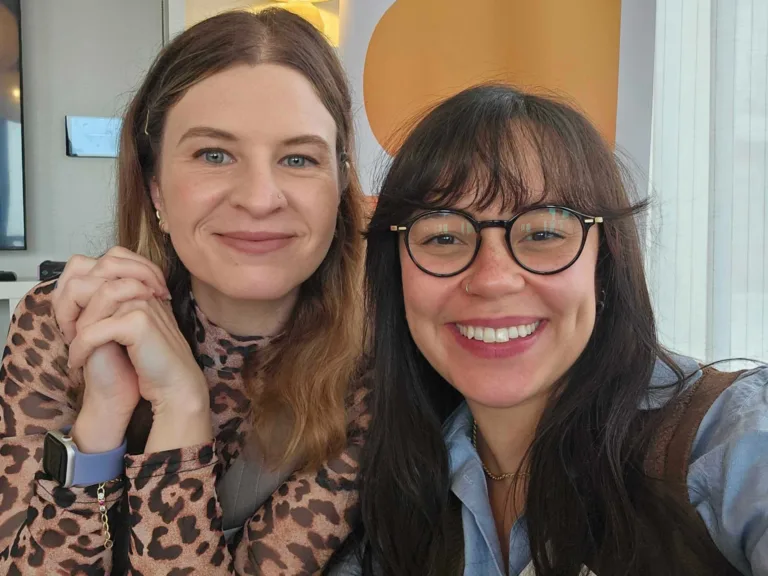
What stood out wasn’t just the speaker, Azahara Corrales, but the room itself which allowed open and honest collaboration. Women from completely different industries, all using AI in practical, creative ways.
Tools like Copilot came up as everyday enablers, helping people stay present rather than splitting attention between listening and note-taking. Nothing flashy, just actually useful.
Again, the idea of AI as a leveller came through. Many of these tools are freely available, which opens the door for more people to experiment, learn and share.
But there’s a tension that AI is only as good as the data behind it. If that data is skewed, the outputs will be too. Getting more women into AI isn’t just about fairness, but about building better, more accurate systems.
What Azahara said that stuck the most was that we’re all AI experts. From the moment you’re using it daily, refining your processes, improving your team, making better decisions with it and developing your own judgement about what it gets right and wrong – that counts. How empowering is that?
Coming full circle
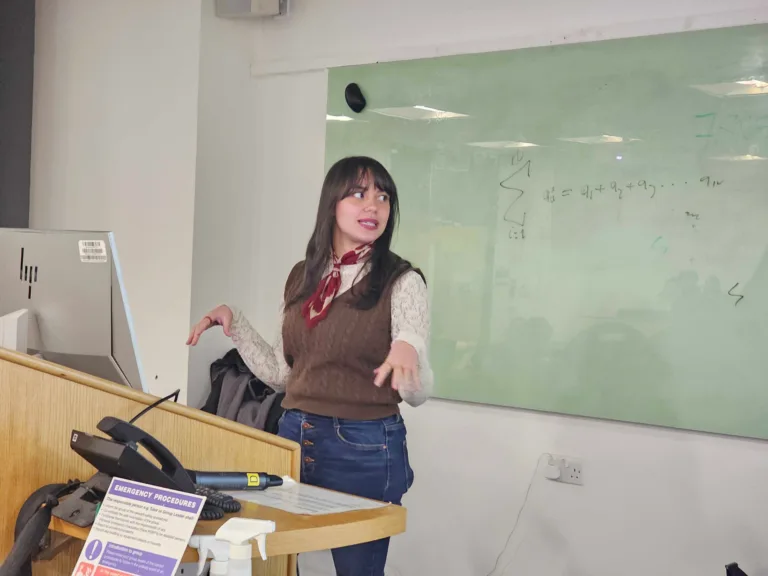
The final event was a personal one, where I spoke at my old university about my journey into paid media.
The advice I wanted to leave students with was:
- Apply for roles even if you don’t tick every box
- Trust that the skills you’re building now are adding up, even if it doesn’t feel like it yet
What will make people stand out is not just knowing how to use AI, but understanding how to use it well by questioning it, challenging it, and bringing your own perspective to it. The diverse, lived human experience are the parts that can’t be replaced with AI.
A final thought
Alongside these events, it feels especially important to recognise the network of genuinely amazing women around me, colleagues who support me, and a workplace where I can show up as my whole self. Not everyone has that and if AI can help level things out for those who don’t, I’m completely here for it.
If this month has sparked new ideas for you, or challenged how you’re thinking about AI and the future of work, we’d love to hear your perspective – get in touch or explore more of our Insights to see how we’re approaching it as a team.